How an Anti-Inflammatory Diet Can Clear Brain Fog and Boost Focus
Published: May 18, 2026
Feeling like your thoughts are moving through quicksand? Struggling to concentrate when you used to power through tasks effortlessly? You're not alone — and the answer might be sitting on your plate.
Brain fog and poor focus aren't just about not getting enough sleep or drinking too much coffee. Research increasingly points to chronic inflammation as a silent driver of cognitive sluggishness. The good news? What you eat can either fuel that fire or extinguish it.
What Is Brain Fog, Really?
Brain fog isn't a medical diagnosis — it's a collection of symptoms that includes:
- Difficulty concentrating or staying present
- Mental fatigue that doesn't improve with rest
- Forgetfulness and scattered thoughts
- Trouble articulating ideas
- Feeling mentally "fuzzy" or disconnected
These symptoms often have roots in neuroinflammation — inflammation in the brain that disrupts communication between neurons and impairs executive function.
The Inflammation–Brain Connection
When your body is in a state of chronic inflammation, inflammatory molecules like cytokines can cross the blood-brain barrier (or compromise its integrity). This triggers immune responses in the brain that:
- Impair neurotransmitter production (dopamine, serotonin, acetylcholine)
- Reduce neuroplasticity — the brain's ability to form new connections
- Accelerate mental fatigue
- Disrupt sleep quality, which compounds cognitive issues
Diet is one of the most powerful modulators of systemic inflammation. Certain foods actively promote inflammation; others calm it.
Foods That Fuel Brain Fog
Before listing what to eat, it's worth knowing what to significantly reduce:
Pro-inflammatory culprits:
- Refined sugars and high-fructose corn syrup — spike blood glucose and trigger inflammatory pathways
- Trans fats and industrial seed oils (soybean, canola, corn oil) — found in processed snacks and fried foods
- Refined carbohydrates (white bread, pastries, chips) — rapid glucose spikes followed by crashes
- Processed meats (hot dogs, deli meats, bacon) — high in advanced glycation end products (AGEs)
- Excess alcohol — disrupts gut microbiome and elevates systemic inflammation
- Ultra-processed foods — emulsifiers and additives can damage the gut lining
Eliminating every processed food isn't realistic for most people — but being mindful of portions and frequency matters.
The Anti-Inflammatory Eating Framework for Mental Clarity
Here's a practical starting framework built around real, minimally processed foods:
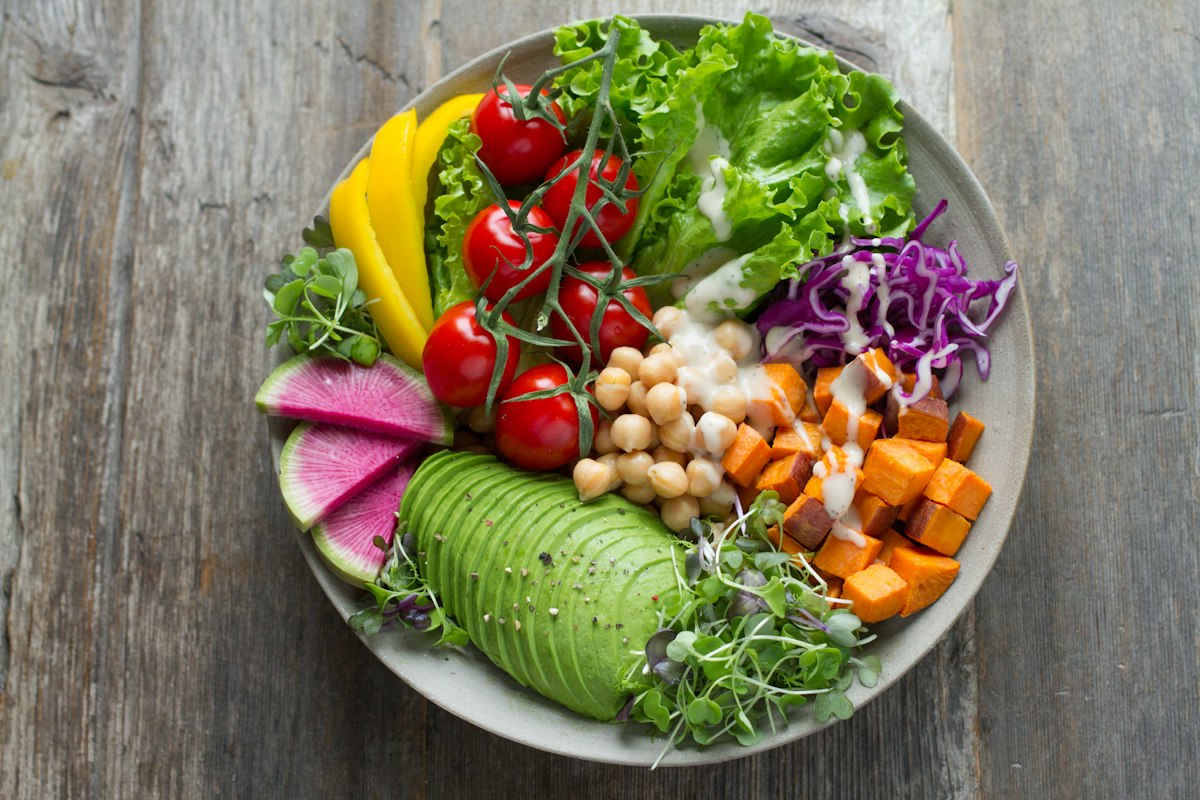
1. Load Up on Colorful Vegetables (Especially leafy greens)
Vegetables — particularly leafy greens like spinach, kale, and Swiss chard — are packed with polyphenols, flavonoids, and carotenoids that actively fight inflammation.
Aim for: 5–7 servings per day, with a emphasis on variety of colors
Brain-boosting standouts:
- Spinach & kale — rich in vitamin K, folate, and antioxidants
- Bell peppers (especially red) — high in vitamin C, which supports neurotransmitter synthesis
- Broccoli — contains sulforaphane, a compound with potent anti-inflammatory and neuroprotective effects
- Avocados — healthy monounsaturated fats that support blood flow to the brain
2. Prioritize Omega-3 Fatty Acids
Omega-3 fatty acids — particularly EPA and DHA — are among the most well-researched anti-inflammatory nutrients for the brain. They reduce neuroinflammation and support membrane fluidity, which improves neuron communication.
Best sources:
- Wild-caught fatty fish (salmon, sardines, mackerel, anchovies) — 2–3 servings per week
- Walnuts — a plant-based omega-3 source
- Chia seeds and flaxseeds —ALA omega-3s (less efficiently converted but still valuable)
- Algal oil — a clean, plant-based DHA/EPA supplement option
3. Include Turmeric (With Black Pepper)
Curcumin — the active compound in turmeric — is one of nature's most powerful anti-inflammatory agents. It inhibits NF-κB, a key molecular trigger of inflammation.
Tip: Pair turmeric with black pepper — piperine increases curcumin absorption by up to 2,000%.
Easy ways to use it:
- Golden milk (turmeric latte)
- Add to scrambled eggs, roasted vegetables, or soups
- Smoothie with turmeric, ginger, and coconut oil
4. Don't Fear Healthy Fats
Your brain is nearly 60% fat and depends on steady energy from fats to function optimally. Monounsaturated and polyunsaturated fats reduce inflammation and support synaptic function.
Include:
- Extra virgin olive oil (use as a primary cooking oil and dressing base)
- Avocados and avocado oil
- Nuts (almonds, walnuts, macadamia)
- Seeds (pumpkin, sunflower, sesame)
5. Choose Berries Over Fruit Snacks
Berries — particularly blueberries, strawberries, and blackberries — are Exceptionally high in anthocyanins, which cross the blood-brain barrier and reduce neuroinflammation.
Why berries over other fruit? Lower glycemic impact with higher antioxidant density. While bananas, grapes, and mangoes are fine in moderation, berries offer the most cognitive bang for your buck.
6. Rebuild Your Gut Microbiome
A significant portion of your immune system lives in your gut. An imbalanced microbiome ("gut dysbiosis") promotes systemic inflammation that directly affects brain function.
Gut-supporting foods:
- Fermented foods: kimchi, sauerkraut, yogurt (ideally full-fat, plain), kefir, miso
- Prebiotic fiber: garlic, onions, leeks, asparagus, dandelion greens
- Bone broth — rich in collagen and amino acids that support gut lining integrity
7. Spice Your Food Liberally
Beyond turmeric, many common spices have documented anti-inflammatory properties:
- Ginger — inhibits prostaglandin and leukotriene synthesis
- Rosemary — contains rosmarinic acid, which reduces neuroinflammation
- Cinnamon — improves insulin sensitivity and reduces inflammatory markers
- Green tea (and its compounds like EGCG) — powerful anti-inflammatory and supports mitochondrial function in neurons
A Day of Anti-Inflammatory Eating for Mental Clarity
Here's what this might look like in practice:
Breakfast: Overnight oats with chia seeds, blueberries, walnuts, and a sprinkle of cinnamon
Lunch: Salmon salad with leafy greens, bell peppers, avocado, and olive oil + lemon dressing
Snack: Apple slices with almond butter, or a small handful of mixed nuts
Dinner: Grilled chicken or wild salmon with roasted broccoli, sweet potato, and turmeric-spiced vegetables
Evening: Cup of ginger-turmeric tea
What to Expect
The timeline for cognitive improvement varies, but many people report noticing changes within:
- 1–2 weeks: Better sleep quality, reduced mental fatigue
- 3–4 weeks: Improved concentration, less brain fog after meals
- 8+ weeks: More sustained mental clarity, better mood stability
These improvements compound as gut health stabilizes and systemic inflammation declines.
Final Thoughts
No single superfood will cure brain fog. The power is in the pattern — consistently choosing whole, minimally processed foods that reduce systemic inflammation and support gut and brain health.
You don't need to overhaul your entire diet overnight. Start with one meal. Build from there.
Your brain is hungry for the right fuel. Feed it well.
Disclaimer: This article is for informational purposes only and does not constitute medical advice. If you are experiencing persistent cognitive symptoms, consult a healthcare professional to rule out underlying conditions.
Tags: anti-inflammatory diet, brain fog, focus, cognitive health, nutrition, mental clarity, omega-3, gut health, inflammation